Women working in technology often navigate complex environments that require confidence, resilience and the ability to make decisions under pressure. One framework that can support personal and professional growth is Neuro-Linguistic Programming (NLP), which explores the connection between our thoughts, language and behaviours.
A useful NLP concept is understanding the three internal voices that influence our decisions: the Saboteur, the Coach and Intuition.

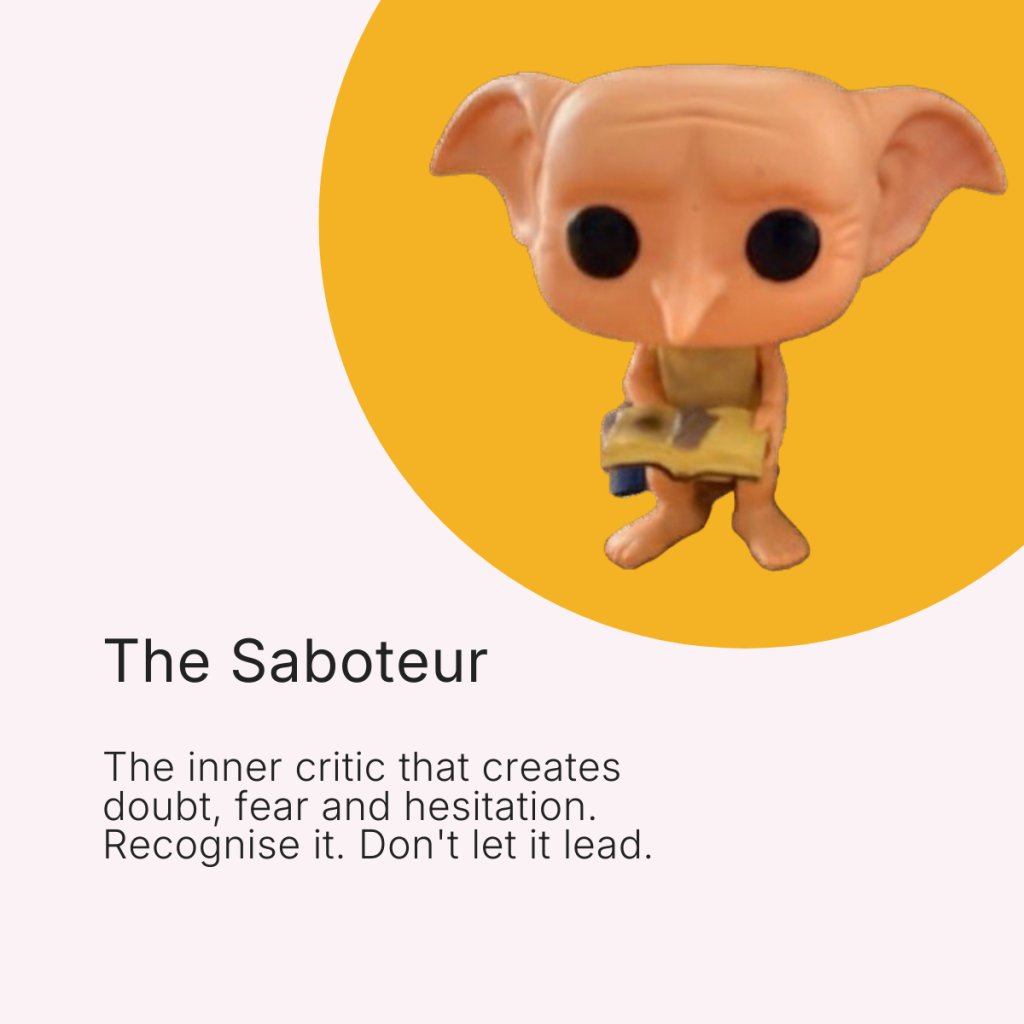
The Saboteur
The Saboteur is the critical voice that creates self-doubt. It questions our abilities, amplifies fear of failure and can stop us from pursuing opportunities. For women in tech, this voice can show up before a presentation, when applying for a promotion or when speaking up in meetings.
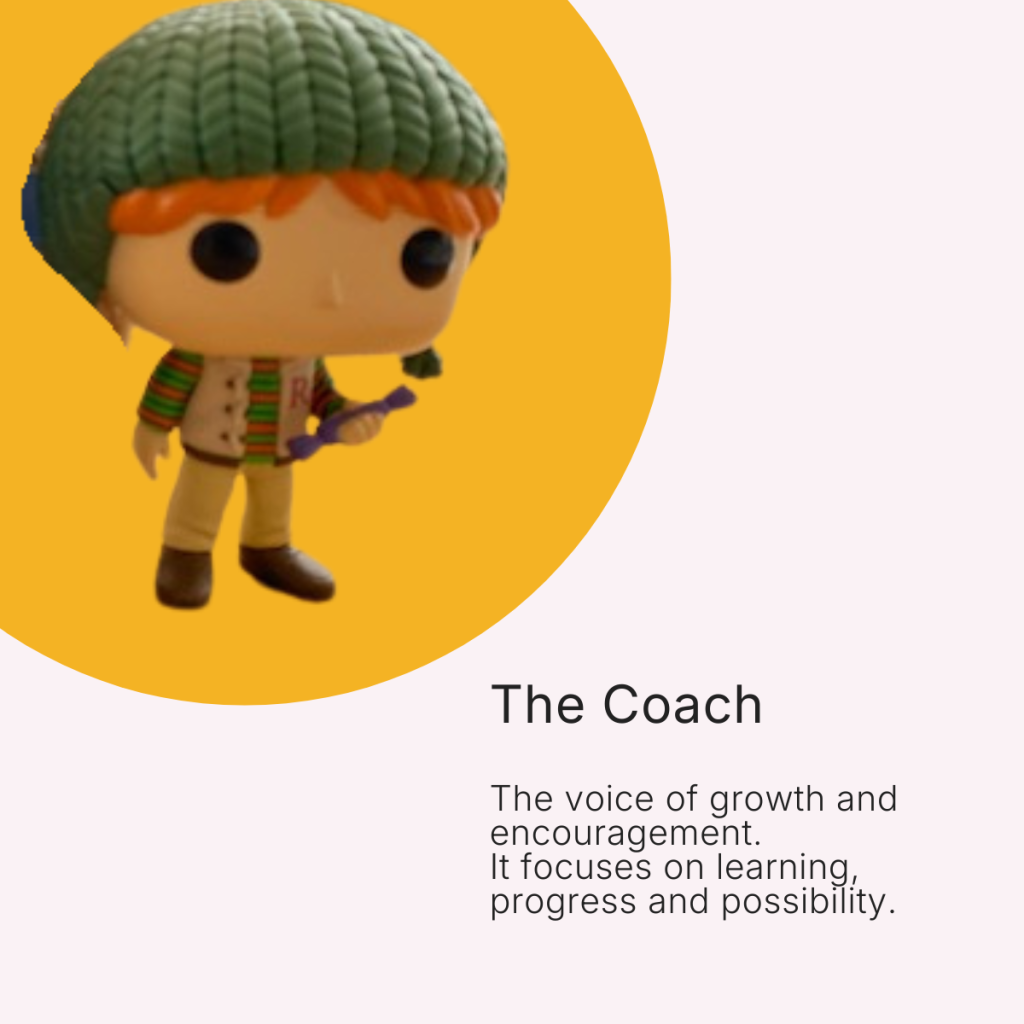
The Coach
The Coach is the supportive voice that encourages growth. It focuses on learning, progress and possibility. Rather than asking, “What if I fail?” the Coach asks, “What can I learn from this experience?” This mindset helps build confidence and resilience over time.
Intuition
Intuition is often the quietest voice, the unconscious mind, yet frequently the most powerful. It draws on experience, pattern recognition and instinct to guide decision-making. While data and logic remain essential in technology roles, intuition can provide valuable insights when navigating uncertainty or making leadership decisions.
“You have to keep the coach and the saboteur in balance – your unconscious mind, the intuition, taps into your life experiences and often provides you with the answers.” Carlene Jackson
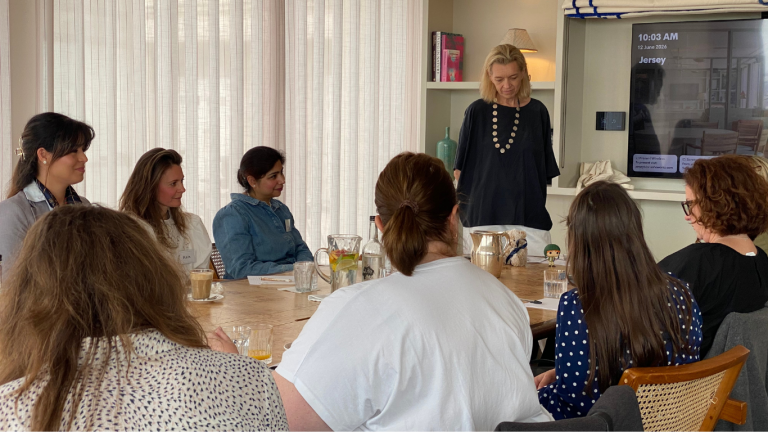
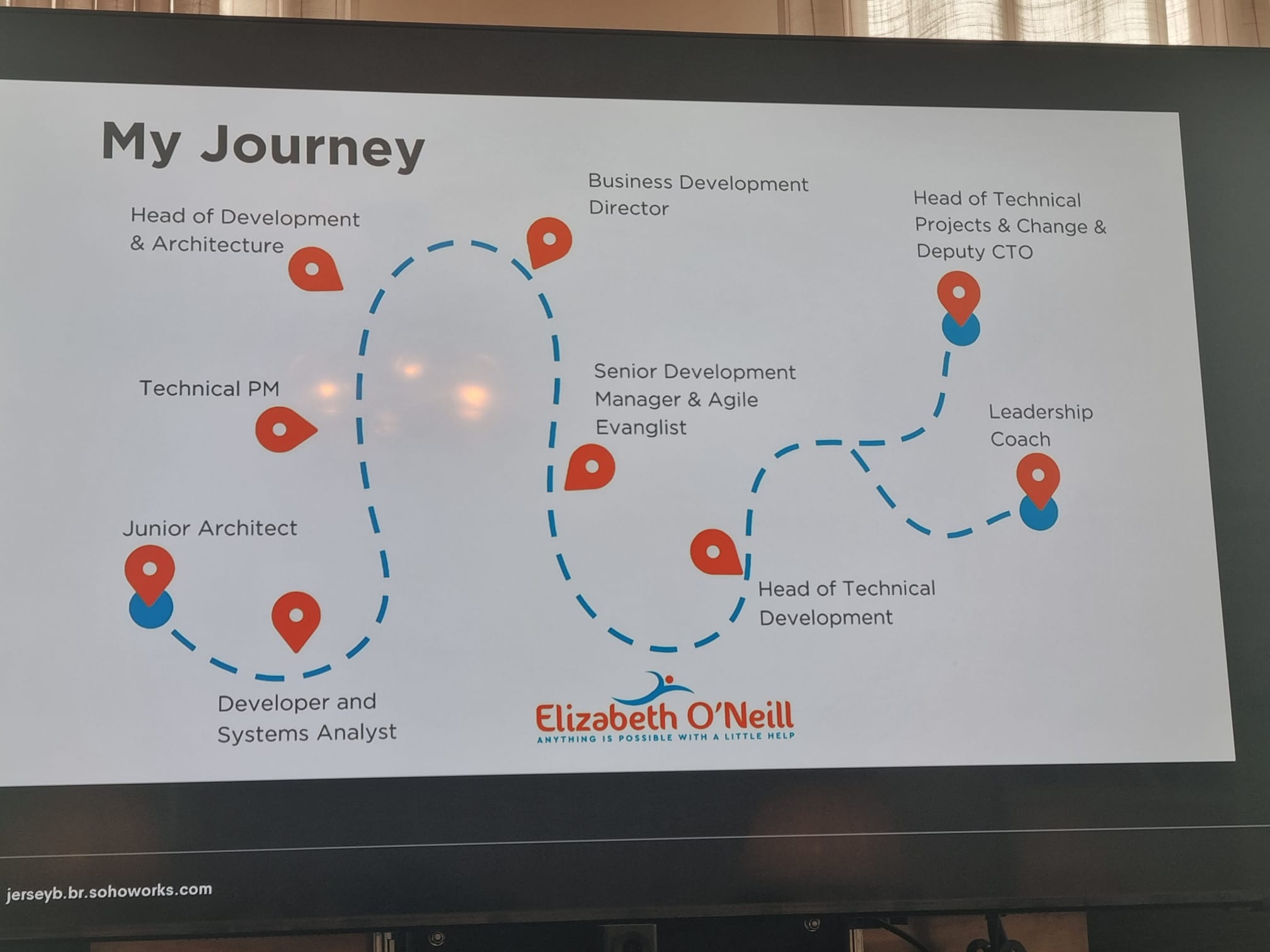
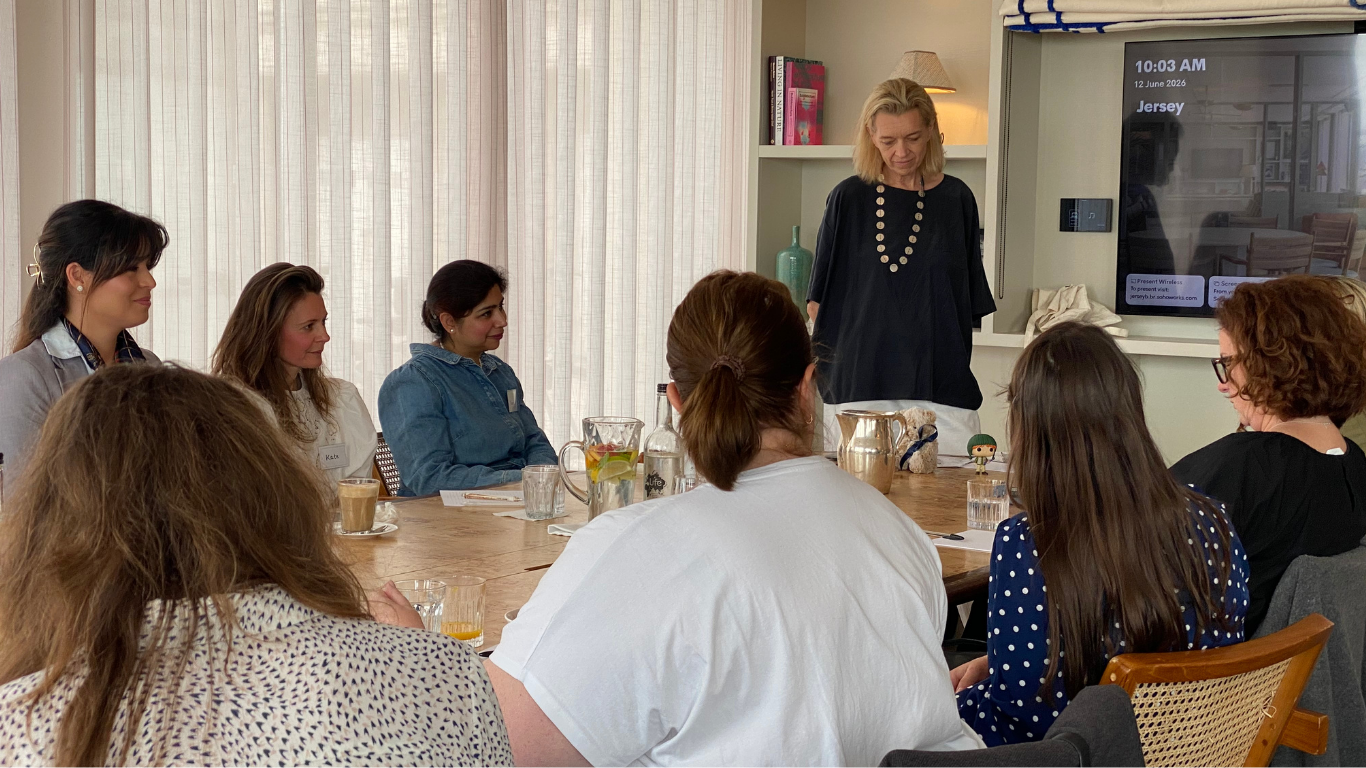
In our recent Women In Tech Event, our guest speaker Carlene Jackson talked in great depth about the three voices and making sure these were balanced.
When the Saboteur becomes too loud, it can drown out both the Coach and Intuition. Equally, relying solely on intuition without reflection may create blind spots. The goal is not to silence any voice entirely, but to recognise each one and ensure they remain in balance.
One practical technique for achieving this balance is breathwork. Deep, intentional breathing activates the body’s relaxation response and helps bring us into the present moment. When we are present, we gain greater clarity, reduce emotional reactivity and improve our ability to make decisions.
Before a presentation, important meeting or career decision, try taking three slow breaths, inhaling for four counts and exhaling for six. This simple exercise can help quiet the Saboteur, strengthen the Coach and create space for Intuition to be heard.
As Carlene Jackson says, by breathing in this easy way, to relieve stress hormones in the body. It’s easy to do and allows you to tap into the other voices, enabling you to have a much more balanced approach to decision-making.
For women in tech, success is not only about technical expertise. It is also about understanding how we think, managing our inner dialogue and trusting ourselves. By using NLP principles, practising breathwork and learning to recognise the voices within, women can lead with greater confidence, clarity and authenticity.
Useful information about NLP
We have provided some useful links on where to find out more about NLP.
Sue Knight
Sue Knight is one of the UK’s best-known female NLP experts and is highly respected for applying NLP in business, leadership, and communication.
Website: https://www.sueknight.co.uk/
Recommended Book: NLP at Work: The Difference That Makes the Difference
Best for: Confidence, leadership, communication, and workplace success.
Judith DeLozier
A pioneering figure in the development of NLP, Judith DeLozier worked alongside the founders and has contributed significantly to the field.
Website: https://nlpu.com/about-us/judith-delozier/
Recommended Book: Tools for Dreamers (co-authored with Robert Dilts)
Best for: Personal growth, creativity, and systemic NLP.
3. Shelle Rose Charvet
Internationally recognised for her work on language patterns and communication, making her a great choice for readers interested in relationships, coaching, or business.
Website: https://successstrategies.com/
Recommended Book: Words That Change Minds
Best for: Communication, influence, and understanding different thinking styles.
4. Lindsay Agness
A UK-based NLP trainer and executive coach who focuses on resilience, confidence, and leadership, particularly relevant to professional women.
Website: https://lindsayagness.com/
Best for: Confidence, resilience, executive coaching, and career development.